




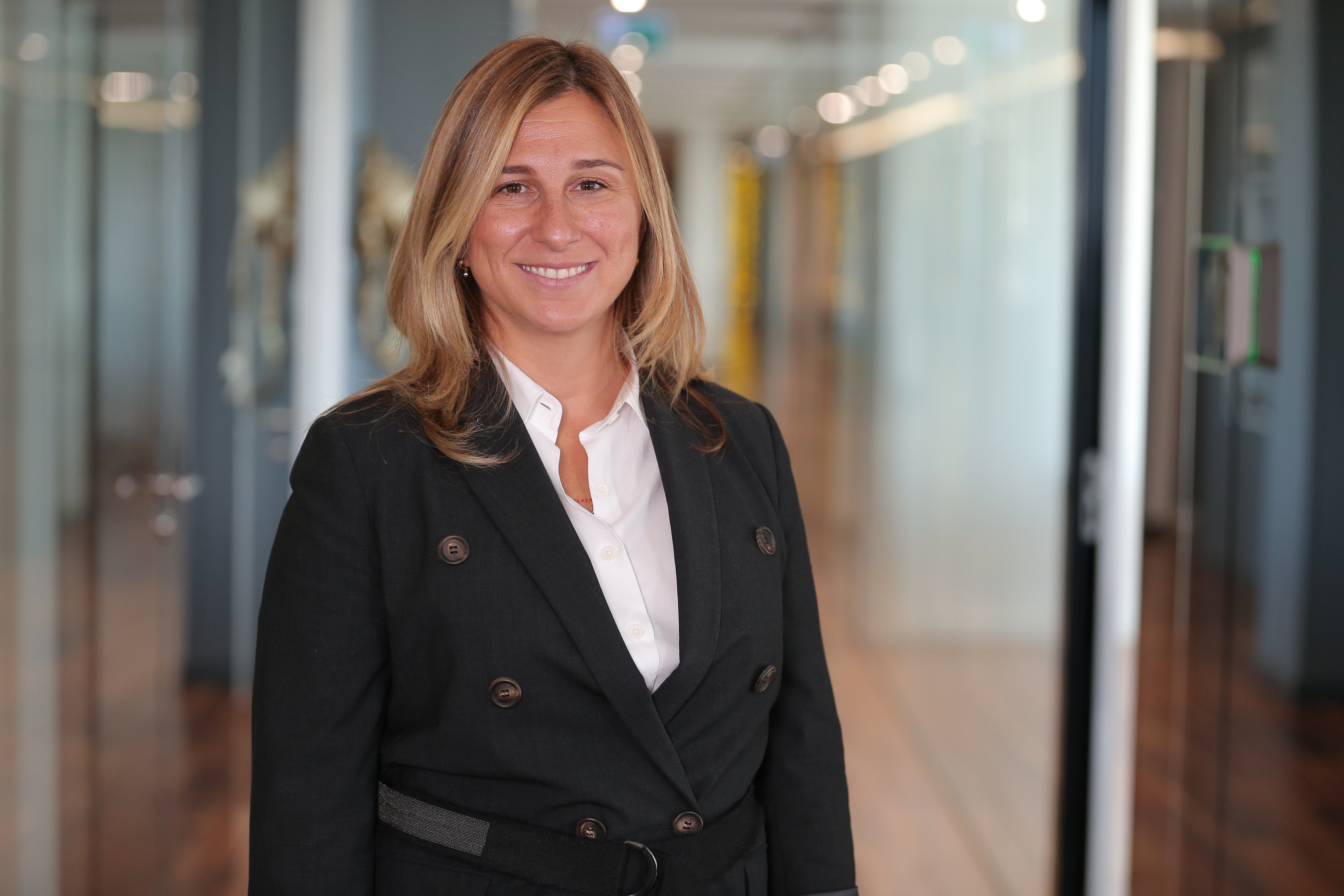
Published by Devex, a leading media platform covering global development, health, and humanitarian issues, this op-ed by Limak’s Ebru Özdemir highlights the power of cross-sector partnerships in advancing women’s empowerment through initiatives like Global Engineer Girls — Read the full article below to learn how these innovative models are creating lasting impact.
Opinion: As aid funding tanks, one partnership model offers stability
In an era of shrinking aid budgets, innovative partnerships are essential for sustainable global development.
With government aid and traditional approaches to financing global development in sharp decline, the funding chasm requires a new approach. Instead of searching for single revolutionary ideas to upend industries or inventions to change the way we live, we need a formula for sustained, scalable change that can withstand a shifting policy landscape.
The good news is we already have this in place.
While recent news is filled with daunting headlines about governments cutting back on development assistance, in reality, global aid has been in decline in recent years.
This affects over 70 low- and middle-income countries and more than 2.9 billion people worldwide. With the global population now over 8 billion, there is increasing pressure on our limited natural resources and space. Resource challenges compound other major challenges, from climate change, food security, extreme poverty, and economic and social inequalities — all of which are typically addressed by international organizations reliant on funding aid.
This is why we need a more sustainable approach.
Public-private-philanthropic partnerships, or the 4Ps model, offers significant contributions to change. It is a holistic model that allows philanthropic initiatives to harness the strengths of public and private sectors to address the world’s more pressing economic and social issues.
While traditional public-private partnerships focus on infrastructure and economic development, the 4Ps model adds a philanthropic element which ensures that initiatives are not just economically viable but also aligned with efforts to facilitate sustainable human development.
The 4Ps could be critical to businesses across sectors, which face ever-increasing pressure from investors, consumers, and regulators to demonstrate that their corporate social responsibility initiatives have genuine substance. It provides a framework for businesses to stay ahead of the curve and offers a sustainable financial solution to tackle the greatest challenges of our time.
In 2022, the United Kingdom launched its first public-private education partnership — Girls Education and Skills Partnership — to provide high-quality and market-relevant skills training to girls and young women across jurisdictions in Asia and Africa. The success of initiatives such as GESP underscores a key insight: Meaningful impact requires pooling resources across sectors to solve specific problems.
The U.K. Foreign, Commonwealth & Development Office partnered with UNICEF and 11 private sector companies, including Unilever, PwC, Microsoft, and Accenture, to address the large skills gap preventing young people, particularly women, from accessing employment opportunities. As a result of this partnership, over 46,000 women and girls have completed educational courses, and the initiative is on track to support 80,000 by 2026. It has also trained over 4,000 teachers to improve digital literacy and signed up over 1,300 mentors. These achievements highlight the transformative potential of multisector 4Ps partnerships on a global scale.
Through Global Engineer Girls, or GEG, I have also seen the power of the 4Ps firsthand. For this project, the Limak Group has partnered with Turkey’s Ministry of Family and Social Services to increase female representation in STEM fields. Since its inception in 2015, GEG has supported over 1,700 young women enrolled in engineering higher education across four countries, demonstrating the scalability of a locally adapted partnership model.
By aligning with national priorities and leveraging both public and private support, GEG has provided scholarships, training, and mentorship, supporting young women to excel in traditionally male-dominated STEM fields. Many of our graduates secure roles in STEM and return as mentors for new students, showcasing the initiative’s lasting impact.
Using the experience gained from GEG’s Turkish model, we expanded GEG internationally, ensuring that our partnerships align with the national priorities and local expertise. We have also developed strong ties with educational institutions and private organizations across our global chapters to deliver tailored training programs, internships, and site visits.
GEG’s success demonstrates the importance of local, customized solutions in tackling social and economic inequities in STEM. By narrowing the gender gap, we can create a collaborative society where all talents are harnessed to address pressing global issues, thereby increasing innovation, economic potential, and productivity to help mitigate the effects of population growth.
(ENDS)
 14 February 2024
Kuwait City, Kuwait — Under the esteemed patronage of the Supreme Council for Planning and Development, Dr. Khaled Mahdi, Secretary General of the Supreme Council of Planning & Development, and in partnership with the U.S. Embassy and the Union of Investment Companies, the summit served as a pivotal platform for fostering discussions and exchanging insights […]
 12 March 2023
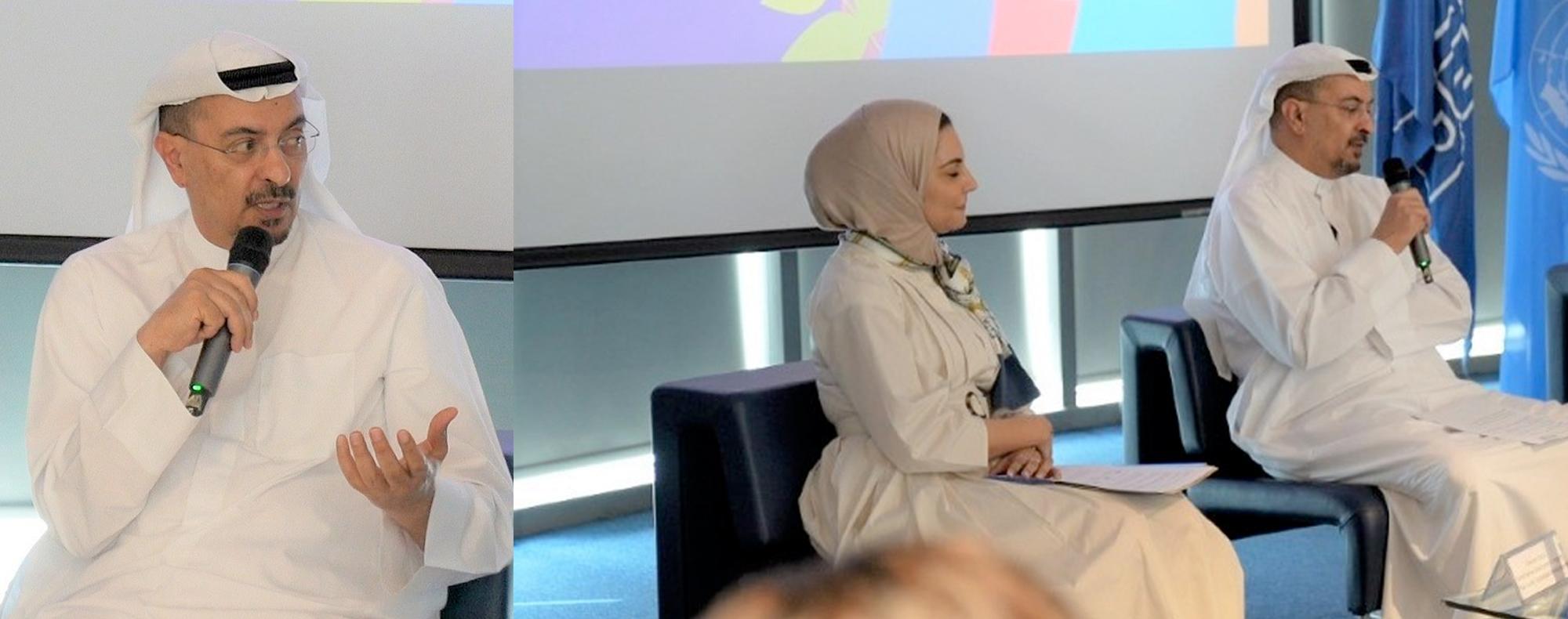
Kuwait City, Kuwait — Kuwait Finance House (KFH) has participated in a panel discussion organized by the United Nations Development Programme (UNDP) at the UN House Building in celebration of International Women’s Day (IWD). Group Chief Human Resources Officer at KFH, Zeyad Abdullah Al Omar said that Kuwait has taken steps to support and empower […]
 30 July 2024
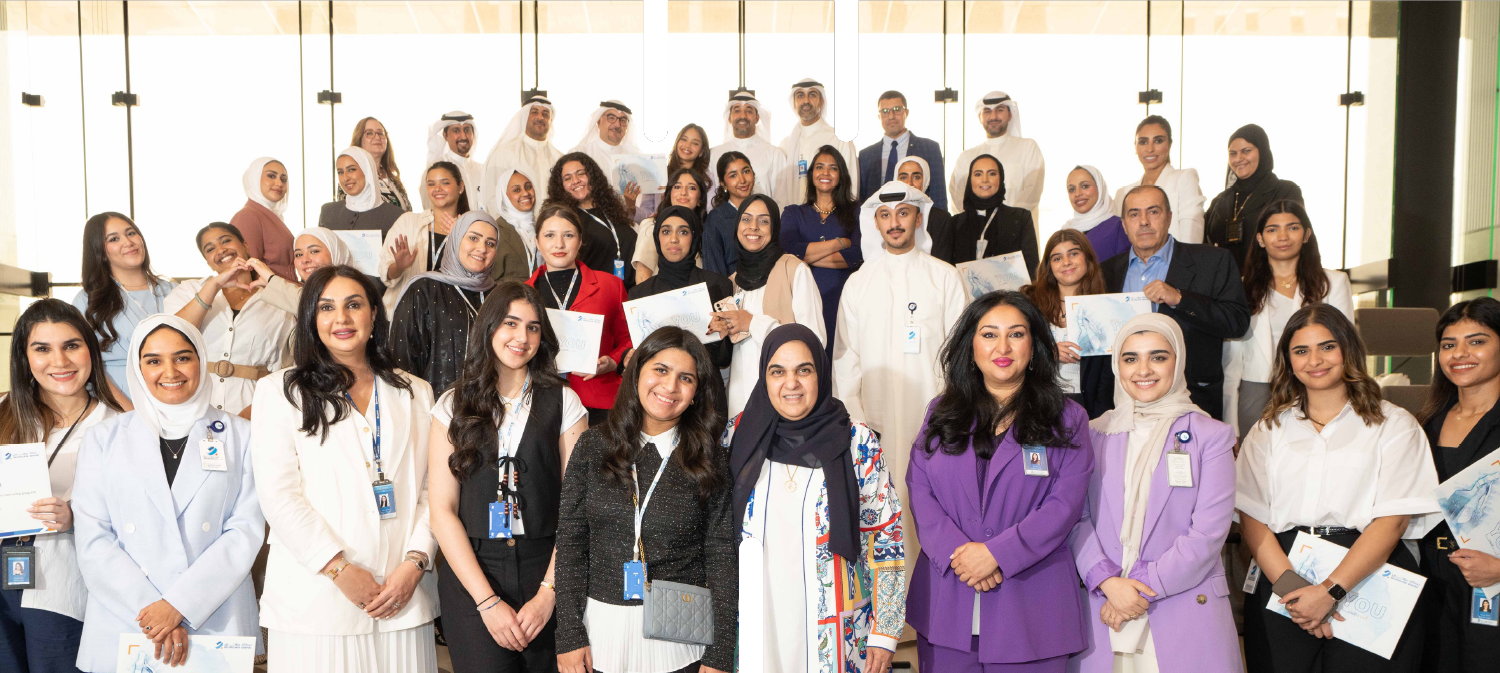
Kuwait City, Kuwait — Burgan Bank recently hosted a ceremony celebrating 18 young women who completed “Empower Her”, the Bank’s summer internship program for undergraduate students. The event took place at the Bank’s head office in the presence of Burgan’s Executive Management, female leaders, and the graduates’ families, featuring the interns’ graduation project “My Female […]